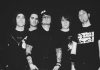






In the post-nu-metal landscape that was the mid-2000s, Boston’s HourCast established an identity that incorporated such predecessors as Linkin Park, Breaking Benjamin and fellow Bostonians Godsmack, while also forging their own sound. It’s that sound — a blend of alternative rock and electronica — that landed them on the soundtrack for Saw 3 with the song “Sakkara.” Their debut album, “State of Disgrace” gained significant attention with its single, “Freeze,” which was featured on popular music programs like Fuse’s “Uranium” and MTV’s “Headbangers Ball.”
And yet, just as the band was building a solid fanbase following the 2010 release of their second album, “Dystopia,” which saw the band venturing into cinematic, industrial territory, they suddenly disbanded.

Now, a full 15 years later, HourCast has returned with a new album and a new perspective. We had the opportunity to speak with HourCast frontman Patrick McBride and drummer Jerry Clews to find out why now was the right time for their return, and what might be different today.
ED: 15 years have passed from your second album in 2010 until your return this year. What motivated you to relaunch Hourcast?
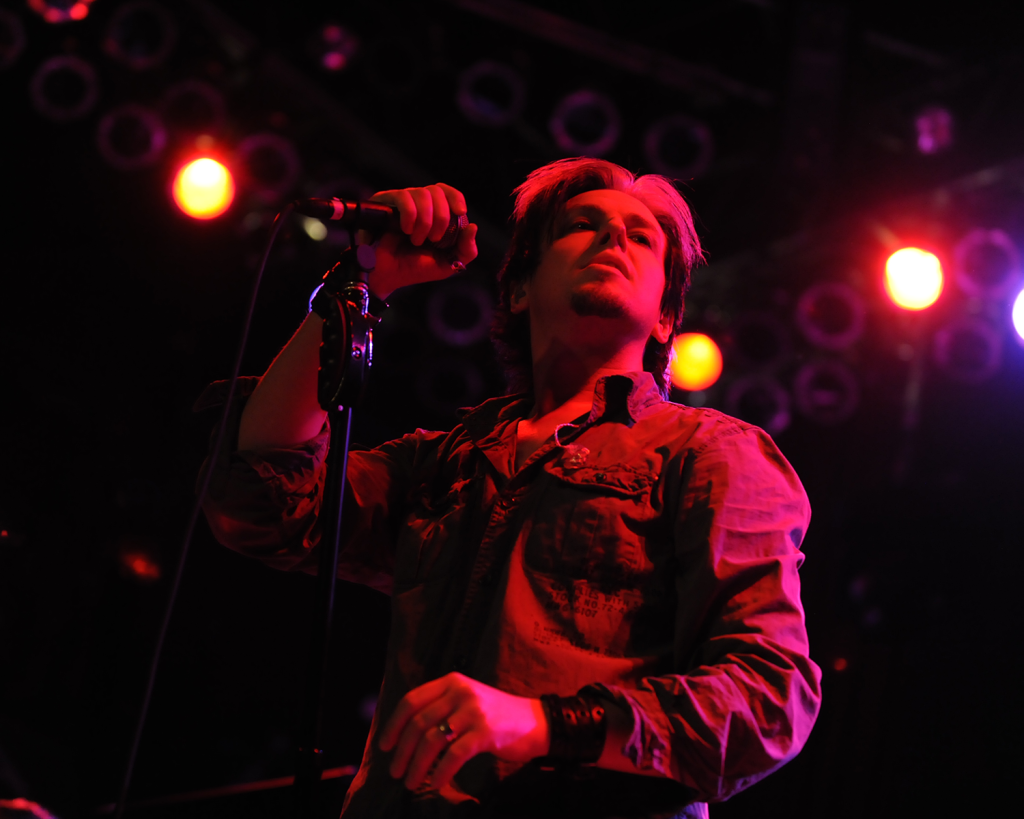
Patrick McBride: Good question. I called Jerry on a very special day to us, which was the 3rd of July. We have a song called “3rd of July” on our first record, and it had been years since we had spoken. I just wanted to catch up and say hi. I had this gratitude moment where I realized my current life with my family, my wife, and my kid — it’s all a result of HourCast. Regardless of how successful or unsuccessful we were, all of it came from being in the band, being on the road, meeting my wife. I kind of owe it all to the guys in the band and all the work we did. So I called him to say that, and then we started catching up and talking about music. We said, “Hey, let’s finish some of this stuff we never finished.” No label, no bullshit. Let’s just make music again for the hell of it because we love it. We always enjoyed each other’s company and liked the same things, so we just started writing. This new stuff is the result of that.
ED: When reestablishing the band, what aspects of your previous sound did you keep, and what new elements did you introduce?
Jerry Clews: When Patrick and I reconnected, we wanted to go back to where it all began and what made HourCast in the first place.
We had this heavy guitar riff element, but we were also heavy on electronics. So we contacted Michael Ellenhart, our electronics guy in Denmark. He was all about it and said, “Wow, you guys want to make music again?” Talking to Patrick, contacting Michael, and pulling it all together, we said, “Let’s do this the way we did it from the beginning.” The result has a little more electronics than our first album, but it’s close — and you guys haven’t heard all of it yet.
ED: Being from Boston, how much did bands like Godsmack influence your early sound?
Clews: We’ve always been huge Godsmack fans. Tony’s heavy guitar style and Sully Erna’s vocals were massively inspiring to us.
At the same time, we were also fans of bands like Nine Inch Nails. Hearing Godsmack’s early hits on the radio while we were creating HourCast massively inspired us. Our guitar player Dave was saying, “Whatever we do, the guitars have to sound like this.” At the same time we wanted electronics like Nine Inch Nails or even Depeche Mode. Those electronic influences came mostly from Patrick. We found Michael Ellenhart online. He was a trance DJ in Denmark and signed to a label, but he loved what we were doing and joined us. That combination created early HourCast.
McBride: We had no walls and no framework. It was the weirdest experience — a guy in Denmark, me coming from Kansas City, all these styles coming together. That first album really represented that. We wanted to return to that again. I think fans picked up on it too. When we made the second record, we were trying so hard to get a hit. That totally fucked us. Fans were saying they missed the morphing style we had on the first record, so we got back to those roots.
ED: Why did Hourcast disband originally, and what lessons did you learn?
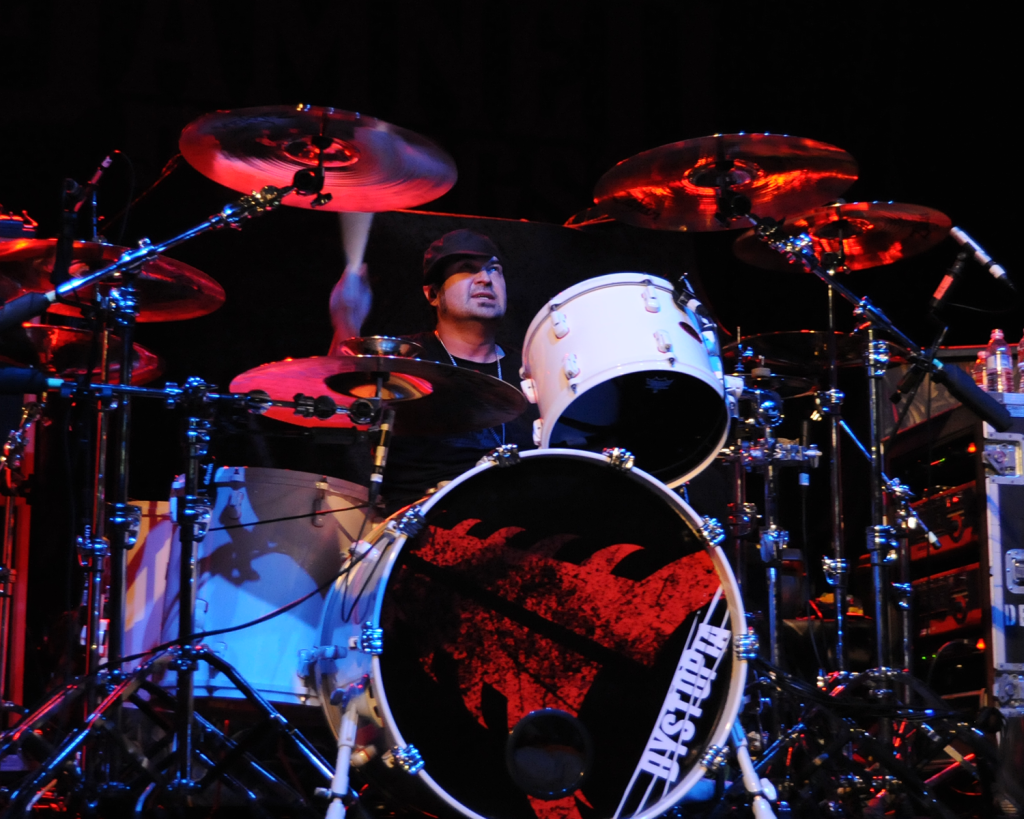
Clews: Back then I had to depart HourCast for personal reasons, and things were slowing down touring-wise. We replaced our guitar player around the same time. I was backing away from touring, and we had Chad Szeliga from Breaking Benjamin filling in for me on the last few tours. After that, it just kind of fizzled. There wasn’t one ultimate reason. We were getting older, there were lawsuits, good shit, bad shit.
It just died with a whimper. But what we learned is that life happens. No matter what we do, life keeps moving, but we’re still artists and still want to create. That’s the major thing we carry forward now.
McBride: Can I quote David Vargas, one of our techs? He used to say in his thick Boston accent: “Being in a band, working for a band, being in the music industry at all — it’s fucking stupid anyway.” He said that every day.
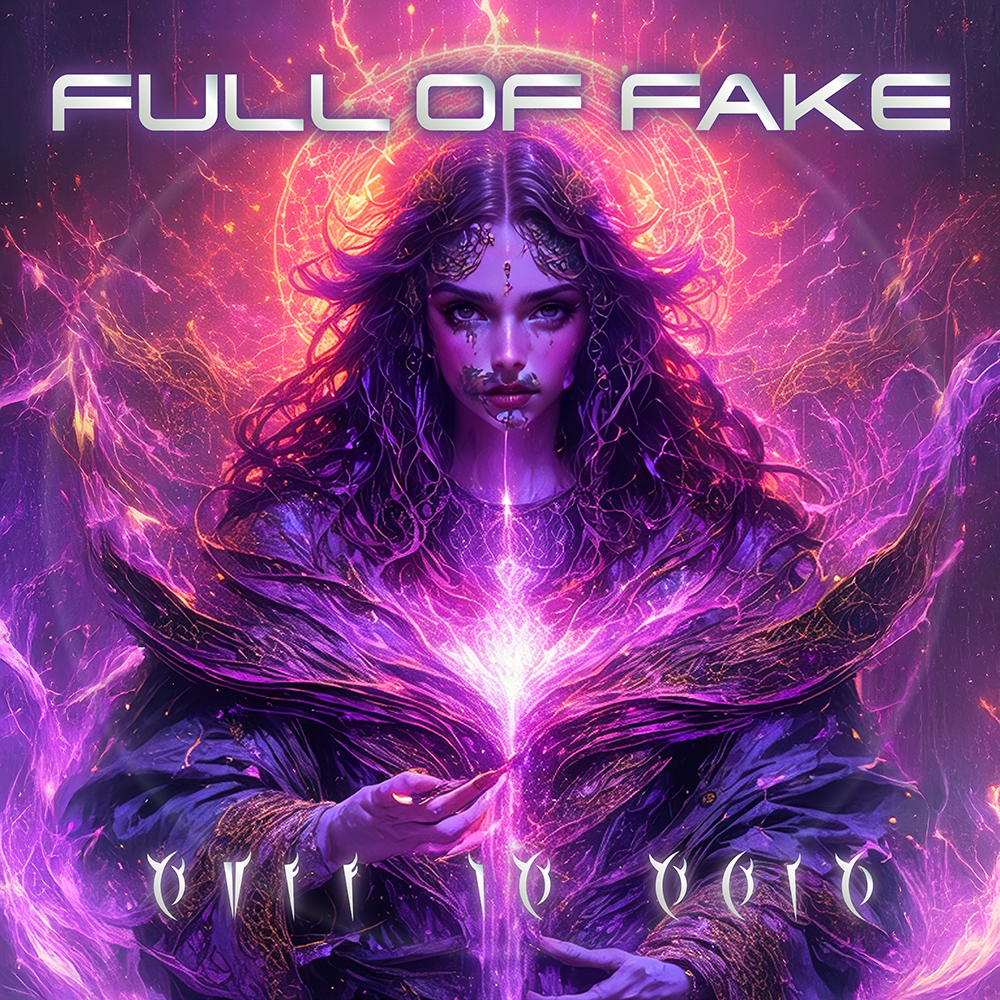
ED: Your new song is “Full of Fake.” What inspired it lyrically?
Clews: It’s exactly what the title says. The world is full of fake. There’s fake people, fake businesses, fake bands, fake interviews, fake avatars. Now with AI, you don’t even know if you’re listening to a real human being anymore. That’s basically what the song is saying.
We’re just trying to talk about it and put it out there.

ED: What are the band’s expectations this time around?
McBride: I’m expecting nothing, so everything’s a win. We made this music for us because we like it. I don’t care if anyone likes it.
I really just enjoyed being with these guys again after all these years. We all got together in Kansas City and it was so relaxed, cool, and fun. I was in it for the experience more than anything else.ED: Why would “Full of Fake” work well in a strip club environment?
Clews: I remember one of these interviews from years ago. If I had a choice between watching a bunch of dudes mosh to our music or watching a beautiful half-naked woman dance to our music … sorry guys, but I’m choosing the beautiful woman dancing.
ED: Favorite strip club stories from the road?
Clews: We definitely have some stories. There was something involving a Sharpie, but we’re not getting into that. One of my favorite memories was leaving a strip club in a limousine with some dancers. Back then we felt like we had made it. The DJs at the club were playing our music, we were partying in the limo, and then suddenly the limousine rear-ended another car. Everyone flew across the limo trying to save their drinks. We got out, and the guys in the other car recognized us immediately. They were like: “Holy shit, you guys are HourCast!”
They didn’t even care about the accident. They just wanted selfies and tickets. That’s probably my most memorable strip club story. There are definitely other strip club memories too, but we probably shouldn’t talk about those!
For more information about the StripJointsMusic DJ pool, check ’em out right here! For more info on Hourcast, visit their official website. You can also watch the video for their track “Full of Fake” right here.