













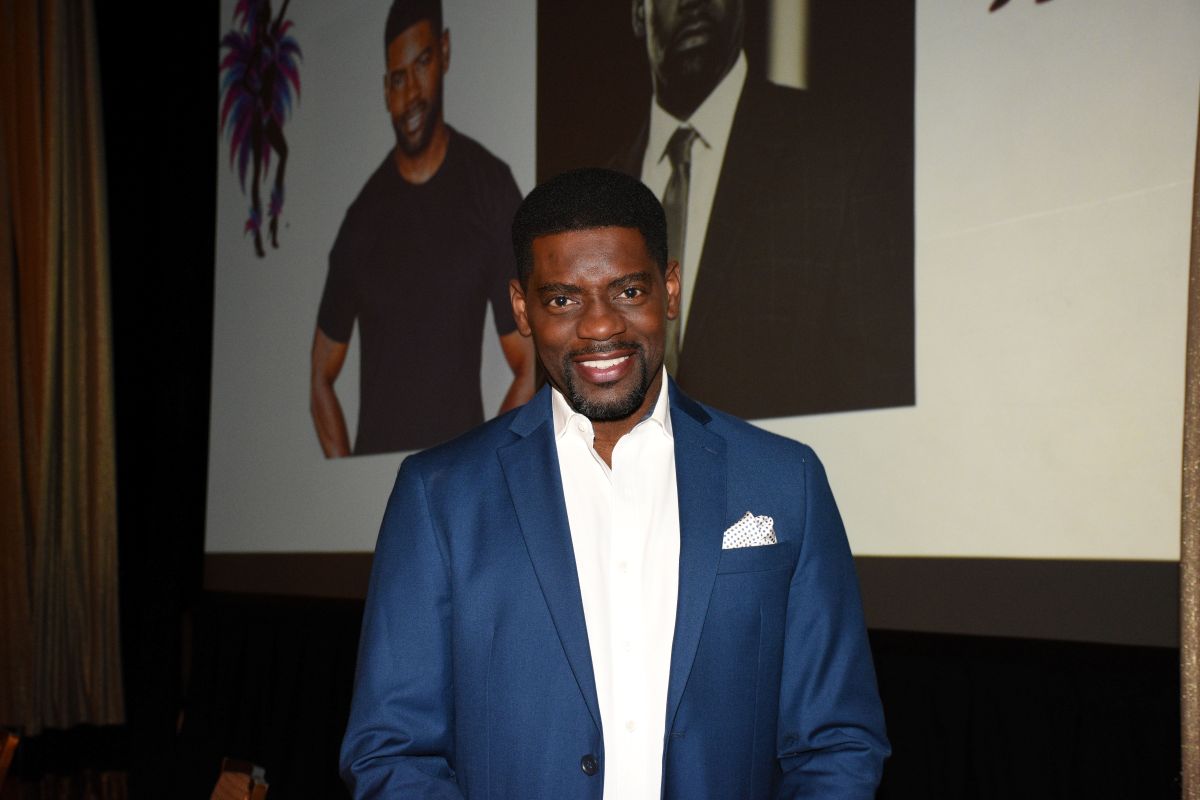

In his Keynote Address, hospitality veteran and professional actor Nicoye Banks shares his playbook for building a club’s identity, creating memorable guest experiences and turning employees into a stronger, more invested team.
(Note: This article appears in the November 2026 issue of ED Magazine.)
Nicoye Banks has spent his career learning how to make people feel like they belong. A veteran of the hospitality industry, Banks worked in fine dining and casual fine dining before moving into management and team leadership. Along the way, he also built a career as a professional actor, working in stage, television and film (including the 2025 blockbuster, “Sinners”). That combination gives him an unusual perspective on the nightclub business: He understands the floor as both a workplace and a stage, the staff as both employees and performers and every guest as an opportunity to create a memorable experience.

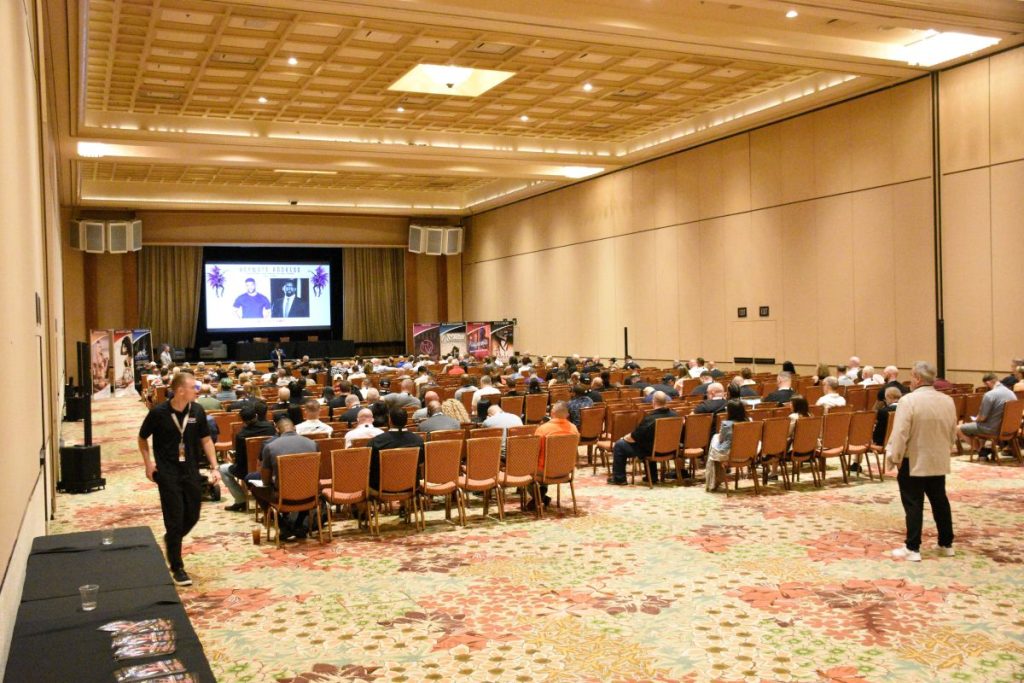
Speaking as the keynote presentation at the 2026 Exotic Dancer Expo, Banks offered attendees a deceptively simple challenge: Stop thinking of hospitality as something that happens after the guest walks through the door. It starts before that, and even continues until the guest leaves.
Nicoye on club identity
For Banks, everything starts with identity. Before owners worry about promotions, staffing or sales, they need to know what their business stands for. What is the purpose? What is the personality of the club? More importantly, does the management team understand it well enough to communicate it to everyone else on staff?
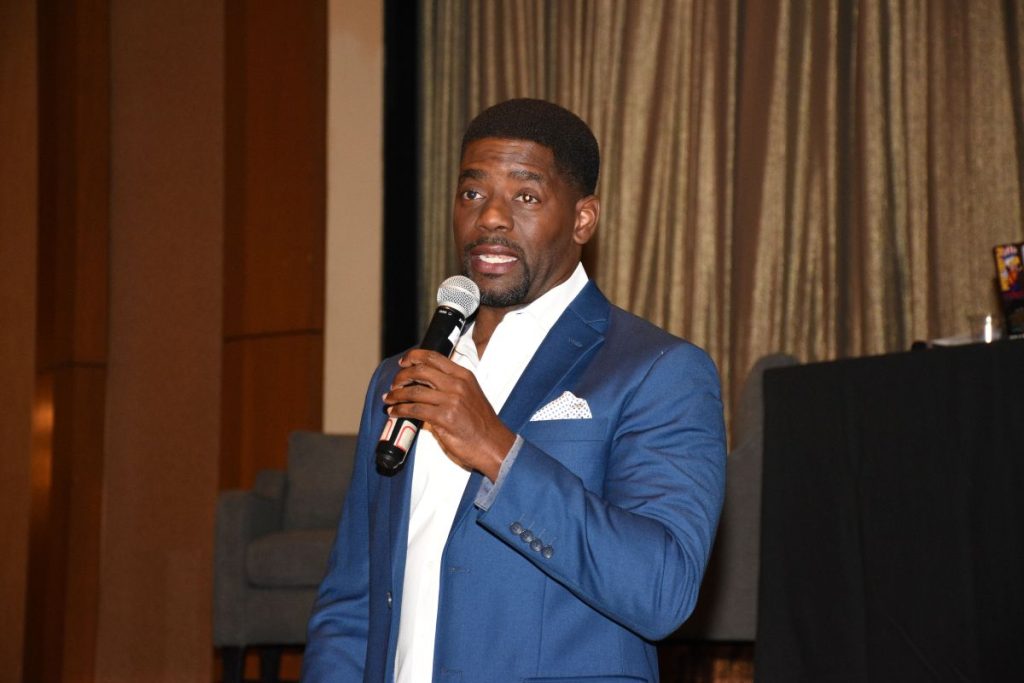
“If that is not clear with your upper management, then the employees won’t follow suit,” Banks said.
That philosophy has to be more than words on a wall. Owners and managers need to revisit their mission statements (given that they actually wrote one) and determine whether they still reflect the business and then actually implement them.
Banks compares a club to a film production. Everyone has a role, but the people backstage have to understand what the show is supposed to be before they can make it happen onstage.
He also believes a club’s identity should extend beyond its physical space. Management should be asking employees what they think would make the club more exciting. What promotions would they respond to? What themes would bring people through the door? What could make the experience more memorable? The key, he said, is what he calls the “employee buy-in.”
“Empowering your employees to do more by getting their input, that’s the buy-in,” he said.
That philosophy also shaped Banks’ experience at Commune, the restaurant where he met one of his most influential mentors. The restaurant featured a large communal table that intentionally put strangers together and encouraged interaction. Banks initially disliked working the table, but eventually understood what the owners were trying to accomplish.
The table wasn’t just furniture. It was part of the restaurant’s identity.
“That philosophy was important because it did set the tone,” Banks said.
For today’s club operators, Banks believes that concept can be translated into culture. Establish a clear vision, communicate it and then live it.
“They’re looking at you, though,” he said. “You wrote it. You created it. You have to exhibit it.”
Nicoye on hospitality
Banks makes an important distinction between service and hospitality.
For example, good service means doing the job correctly. The food arrives hot. The drink is prepared properly. The table is clean. The guest gets what they ordered. Hospitality is how you make the guest feel while all of that is happening.
“Hospitality, making every guest feel cared for,” Banks said. “Simple, not easy.”
That philosophy begins before a guest ever reaches the main room. It can start in the parking lot with the valet, at the front door with the host or at the first interaction with a bartender or server.
The objective is to immediately put the guest at ease and create the expectation that they are about to have a great experience. Even inside adult nightclubs, what’s happening on stage is secondary. It’s window dressing.
“Hospitality is making every guest feel cared for. Simple, not easy.”
— Nicoye Banks
Banks emphasized the importance of personal interaction. Learn the guest’s name. Remember what they drink. Remember a birthday. Notice why they are there. Pay attention to whether they are celebrating, exhausted from a long day or simply looking for somewhere to relax. The goal is to make the guest feel recognized rather than processed.
He also stressed that the experience should be consistent from beginning to end. A club can deliver a terrific night only to undermine it with a poor exit. The final interaction matters just as much as the first.
“The finish is just as important, if not more important, than the start,” Banks said.
That means management should be paying attention when guests leave, too. Ask how they enjoyed themselves. Find out what they liked. Listen for complaints or suggestions. Escort them out with the same attention they received when they arrived.
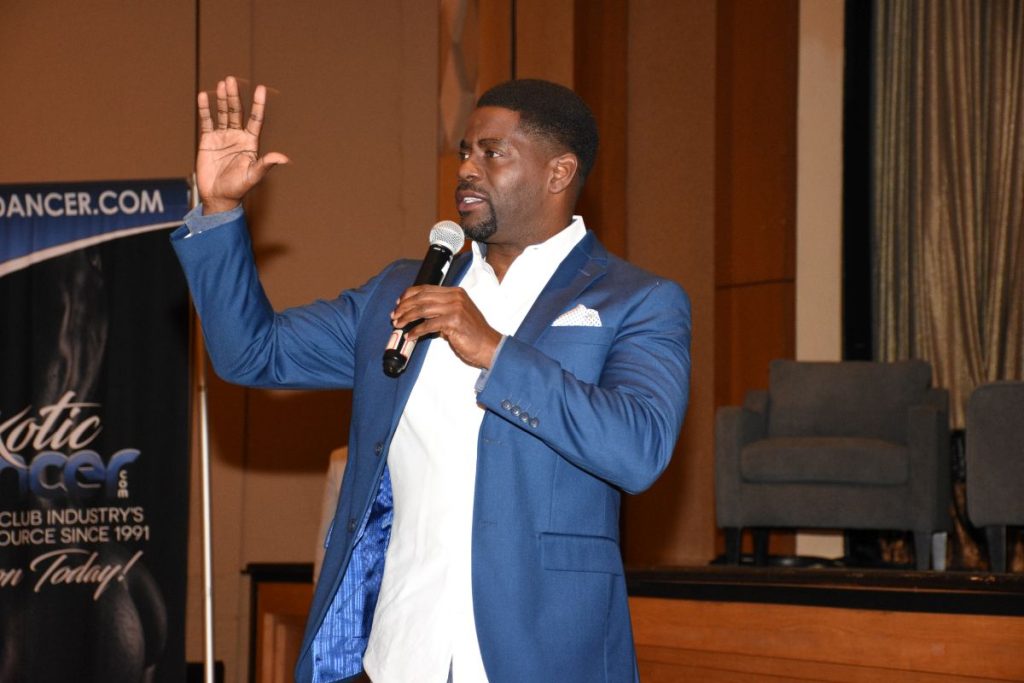
The payoff is not simply a better experience that night. It is the possibility of creating a returning guest — and a guest who tells other people about the experience.
Banks described that as creating “residual” value. A memorable interaction can continue working long after the guest has left. That is particularly important in an entertainment business, where the experience is the product.
Nicoye on club staff
Banks’ message to managers was equally direct: Invest in your people. He urged owners and managers to think about the difference between cost and value. Payroll is a cost. A well-trained, motivated and invested employee is a source of value.
Banks experienced that firsthand as a server. When he wanted to improve, his general manager didn’t simply tell him to work harder. He encouraged him to expand his knowledge, particularly of wine and spirits. The restaurant ultimately invested in his education, and Banks said the investment paid off because he became more confident selling higher-end products.
He challenged club operators to consider what they are doing to help their employees improve their craft.
That might mean training, education, wellness benefits, team outings or opportunities to experience other businesses and forms of entertainment. It can also mean simply asking employees what they need.
Banks repeatedly returned to pre-shift meetings as one of the most effective tools available to management. They establish expectations, identify problems, generate ideas and give employees a voice before the doors open.
But they should be more than a list of instructions.
Management should ask what is working, what is not working and what employees think could be improved. That creates buy-in while giving managers information they may not otherwise receive.
Banks also encouraged club managers to create anonymous channels for employee feedback. Employees may not always feel comfortable telling a manager what they really think face-to-face. An anonymous digital survey can remove that obstacle and provide management with more honest feedback.
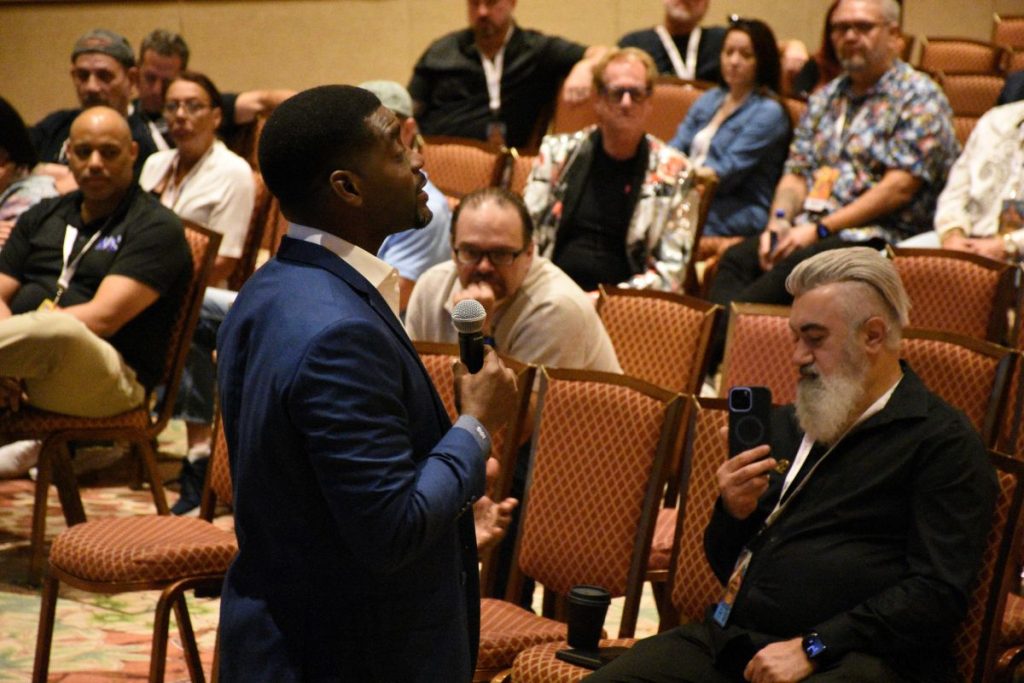
Training, however, should not stop once someone knows the job.
“Continuous training, continuous process improvement,” Banks said. “Continuous.”
He compared hospitality workers to professional athletes. The best athletes continue to practice even after reaching the top of their game. Employees should approach their work in much the same way.
Banks also encouraged managers to know how to do the jobs they supervise. If a bartender walks out, can the manager get behind the bar? If the lights go out, can the manager troubleshoot the problem? If the flow of the room changes, does management understand how to adjust?
Employees need to know that the people leading them can step in when necessary.
At the same time, Banks warned managers not to become obstacles. Their job is to make it easier for employees to do their jobs, not constantly get in their way.
“As a manager, my job is to help you do your job better,” he said.
That requires reading the room, reading the table and knowing when to intervene and when to step back.
“If you look at it as a job, you’re laboring. If you look at it as a craft, you’re creating.”
— Nicoye Banks
Most importantly, Banks wants employees to see their work as a craft rather than simply a job.
“If you look at it as a job, you’re laboring,” he said. “If you look at it as a craft, you’re creating.”
Nicoye takes questions
During the Q&A, Banks was asked what he would change if he could go back and alter one thing about his career. His answer was simple: He would have started learning sooner.
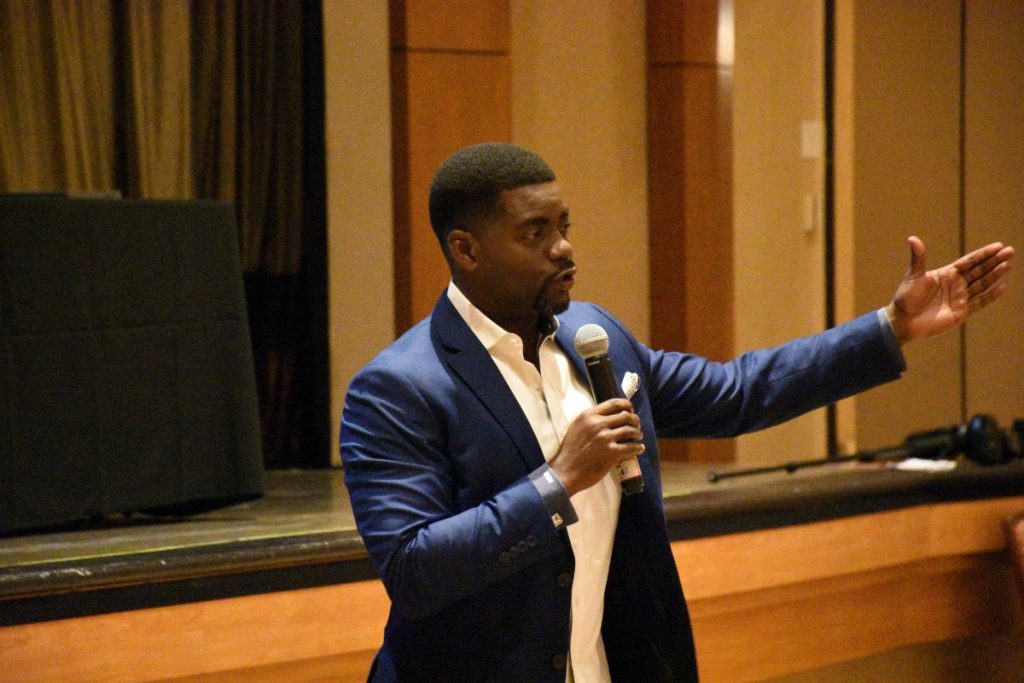
As a young server, Banks was focused on the grind. He worked long hours and chased the immediate rewards. Eventually, however, he noticed older servers working with a different rhythm. They were calmer, more deliberate and still making comparable money. He realized he had been overlooking the wisdom around him.
That lesson eventually influenced his acting career, too. Banks began treating the restaurant floor as a stage, using his work to develop his memory, communication skills and ability to create characters. What had once been simply a job became an opportunity to practice his craft.
Another attendee asked Banks to explain the difference between good service and hospitality.
His answer returned to the central theme of his presentation: Service is what you do. Hospitality is how you do it.
That distinction can be applied to every part of a club, from the valet to the door, from the bartender to the dancer, from management to the final goodbye.
Banks closed by returning to the idea that hospitality is not complicated; it’s deliberate. Know your guests. Know your people. Train continuously. Ask questions. Listen to the answers. Give employees ownership. Create a culture that everyone understands. Then give people a reason to come back.
“I am an ambassador of hospitality; you should be too.” Banks told the audience.
For more information, email Nicoye Banks at nicoye.banks@gmail.com or visit theedexpo.com.