















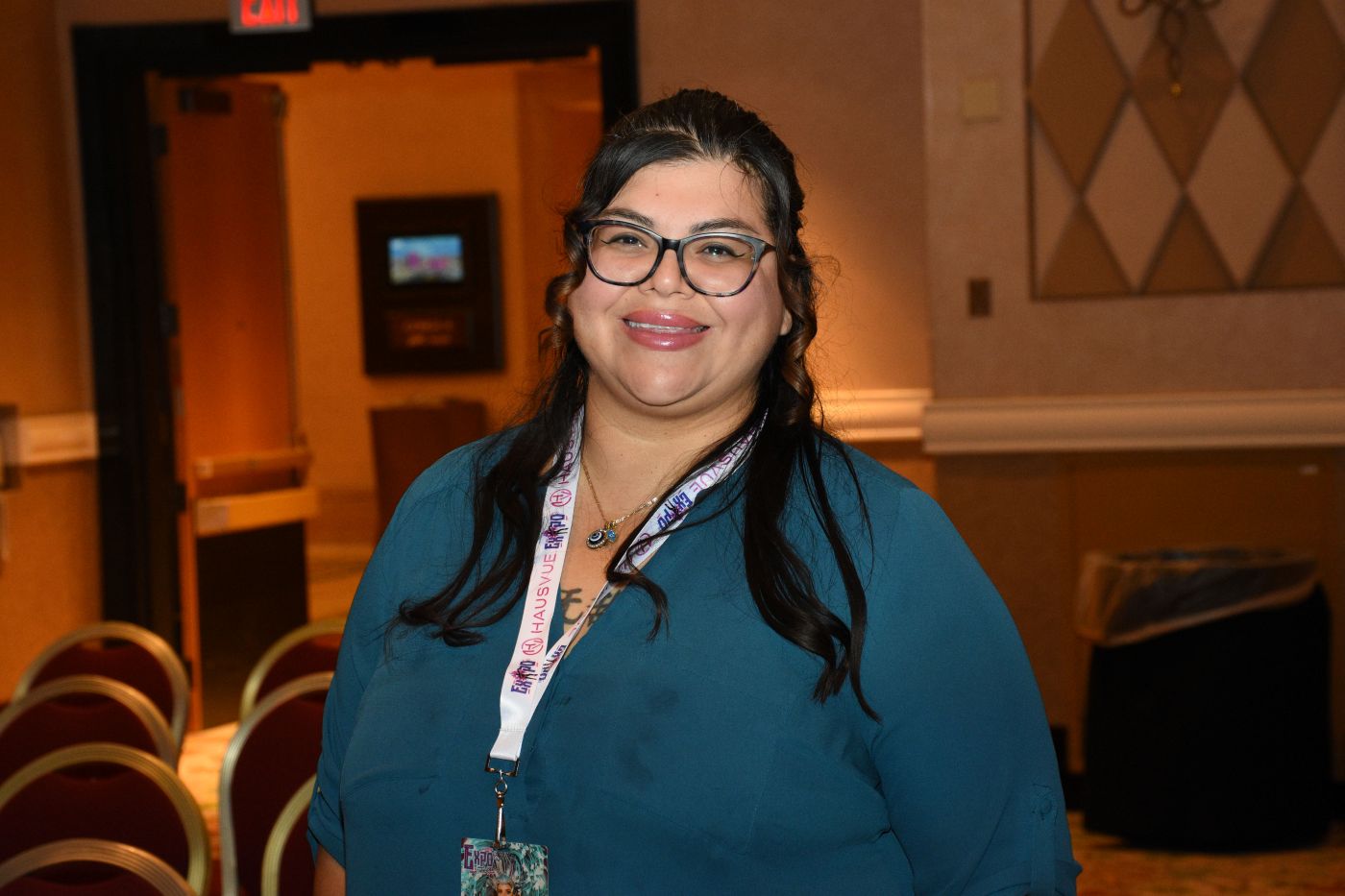

In a recap of her 2026 ED Expo seminar, Dr. Monique reviews how entertainers can prevent burnout while rebuilding collaboration in the workplace.
Written by Dr. Monique Martinez-Quiros
Burnout in adult entertainment doesn’t always look like completely falling apart. Sometimes it looks like survival work: showing up exhausted, emotionally detached, financially stressed and focused only on making enough money to get through the night.

For dancers and other adult entertainment professionals, survival mode can quietly change the workplace. When everyone feels like they are fighting over the same dollar, coworkers can start looking like threats rather than colleagues. Communication breaks down. Trust with management decreases. Cliques and conflict grow. People protect information, assume the worst about one another and spend valuable energy navigating drama instead of making money.
The result? Everybody’s bag can get smaller.
Collaboration is a business strategy
Collaboration does not mean everyone needs to be friends. It doesn’t mean giving up your boundaries, sharing personal business or sacrificing your income. It means recognizing that professionalism, communication, mutual respect and shared accountability can make the workplace function better for everyone.
Management, security, DJs, bartenders, servers, house staff and entertainers all contribute to the environment customers experience. When those relationships become adversarial, customers can feel the tension too. When people communicate and solve problems earlier, more energy can stay focused on the actual business.

“Professional relationships with trusted colleagues can create referral networks, mentorship, community and opportunities that extend beyond one venue or one night’s earnings.”
— Dr. Monique
What practical collaboration looks like
Collaboration can be surprisingly simple. It might mean greeting the people you work with instead of immediately isolating yourself. It can mean communicating directly rather than allowing assumptions or gossip to do the talking. It can mean respecting another dancer’s hustle without treating her success as evidence of your failure.
It can also mean sharing legitimate resources, referring opportunities when appropriate, mentoring newer entertainers without exploiting them, recognizing when a colleague needs support and approaching management with potential solutions instead of letting frustration build until it explodes.
And when there is conflict? Address the behavior or business issue, not the person’s character.
Collaboration outside the club matters too. Professional relationships with trusted colleagues can create referral networks, mentorship, community and opportunities that extend beyond one venue or one night’s earnings.
Start small
You do not have to transform the entire club culture tonight. Start by changing what happens within your own five-foot radius.
Try these three things on your next shift:
1. Make one intentional connection.
Check in with one dancer, bartender, DJ, security team member or manager without needing anything from them. A simple “How are we doing tonight?” begins rebuilding relationships.
2. Replace one assumption with one conversation.
Before deciding that someone is disrespecting you, competing against you or intentionally making your night harder, ask a direct question. Clarification costs far less energy than conflict.
3. Make one move for your future self.
Before leaving, identify one action that moves you beyond tonight’s money: save part of your earnings, follow up with a professional contact, schedule recovery time, share a legitimate resource or write down one goal for your next shift.
Secure more than tonight’s bag
Survival mode says: “I have to get mine before somebody else does.”
Collaboration asks: “What can I do differently so there is more opportunity for all of us, including me?”
You don’t have to trust everybody. You don’t have to like everybody. And you certainly don’t have to abandon your boundaries. You can decide that burnout, isolation and constant competition will not run your business. Start with one connection. One conversation. One move toward the future. Then do it again next shift. Securing the bag shouldn’t require destroying yourself or each other to get it.
Have thoughts, questions or topics you’d like to hear more about? Follow me on Instagram @Dr.Monique21 and let’s keep the conversation going!
Dr. Monique is a bilingual, doctoral-level behavioral health clinician licensed in Arizona, California, Florida, Idaho, Nevada, Vermont, and Wisconsin. She provides affirming, nonjudgmental care for individuals whose identities, relationships, professions, or lived experiences are often misunderstood, underserved, publicly consumed, and simultaneously stigmatized or shamed.
Using a multimodal, culturally responsive, trauma-informed, and sex-positive approach, Dr. Monique supports clients navigating trauma, burnout, family dynamics, interpersonal challenges, stigma, and the pressures of living authentically. She helps clients recognize their strengths, clarify meaningful goals, and develop practical steps toward sustainable change and empowerment. For more information, please visit linktr.ee/keyrosellc.